

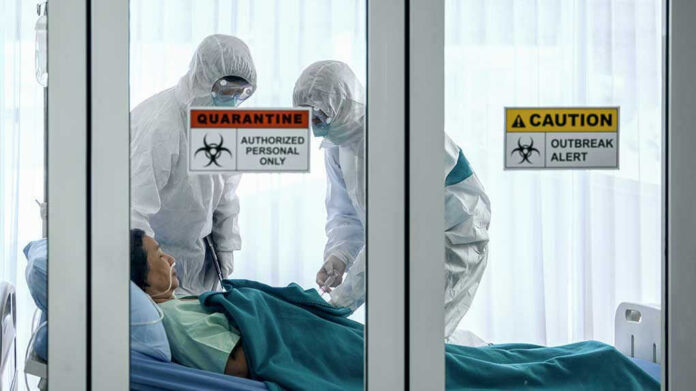
A never-before-seen strain of bird flu has infected a Washington man, raising urgent questions about government preparedness and the potential for new threats emerging right here at home.
Story Snapshot
- First human case of H5N5 bird flu confirmed in Washington—virus previously limited to birds.
- Patient hospitalized in critical condition; infection linked to domestic and wild bird exposure.
- No evidence of human-to-human transmission, but experts warn of unpredictable viral evolution.
- Federal and state health officials mobilize, emphasizing low public risk but heightened caution for bird owners.
Unprecedented Human Infection: H5N5 Bird Flu Hits Washington
In November 2025, an older man from rural Grays Harbor County, Washington, became severely ill after contracting H5N5 avian influenza—a strain never before documented in humans. The patient, who kept backyard chickens and lived near migratory wild waterfowl, experienced high fever, respiratory distress, and confusion before being hospitalized and transferred for advanced care. Health authorities quickly confirmed the H5N5 infection and launched an emergency public health response, marking the world’s first known human case of this particular bird flu subtype.
Avian Influenza Background and Rising Risks
Avian influenza viruses, especially type A, naturally circulate among wild aquatic birds and sometimes infect domestic poultry. While previous outbreaks such as H5N1 have sporadically crossed over to humans in recent years, H5N5 was previously limited to birds. The Pacific Northwest sits along a major migratory route, raising the likelihood of viral spillover. Since 2022, outbreaks among U.S. poultry and wild birds have increased, with dozens of human cases of H5N1 reported, but never H5N5—until now. Direct contact with infected animals remains the primary risk factor for transmission to humans.
Public Health Response and Key Stakeholders
The Washington State Department of Health is leading the investigation, supported by the CDC and local health departments. Their efforts include environmental testing, surveillance of local bird populations, and close monitoring of exposed individuals. Federal agencies emphasize that the risk to the general public is low, but those who own or work with poultry should take extra precautions, including using personal protective equipment and reporting sick or dead birds. Health care facilities are implementing strict infection control protocols and keeping the affected patient under close observation while monitoring his contacts.
Current Developments: What Patriots Need to Know
As of November 19, 2025, only one human case of H5N5 has been identified, with no evidence of spread between people. Confirmatory testing and comprehensive surveillance are ongoing. Authorities stress that, while the situation appears contained, the unpredictability of viral evolution demands vigilance. Recommendations for rural residents and poultry owners include increased biosecurity and immediate reporting of any unusual illnesses among birds or people. Experts caution that novel zoonotic threats should be met with rapid, transparent response—without excessive alarmism or government overreach.
Economic and Social Impact: Protecting Communities and Constitutional Freedoms
Heightened surveillance and advisories may affect poultry producers and rural families, potentially impacting local economies if outbreaks spread. Public concern about food safety and disease management underscores the importance of clear, fact-based messaging. For communities frustrated by years of government overreach, it is critical that any response upholds American values: transparency, individual rights, and limited government intervention. The Trump administration’s renewed emphasis on sovereignty and preparedness aligns with these principles, focusing on real threats rather than politicized agendas or globalist distractions.
Washington resident hospitalized with virus never before seen in humans https://t.co/ceaAWrwSrf
— Debra Dury (@ddury5) November 19, 2025
Expert Analysis: Navigating New Threats Without Surrendering Liberty
Leading infectious disease specialists describe the H5N5 case as alarming, given the virus’s unpredictable nature. However, most experts agree that the absence of human-to-human transmission means broad panic is unwarranted. Calls for enhanced biosecurity, ongoing research, and public education should be balanced against the need to protect personal freedoms and avoid unnecessary government intrusion. Vigilance is key, but Americans must remain alert to any attempt to use health emergencies as a pretext for eroding constitutional rights or conservative values.
Sources:
Washington Man “Severely Ill” After Contracting Never-Before-Seen Bird Flu in First-Ever Human Case
Possible First 2025 Human Case Bird Flu Under Investigation Washington
Communicable Disease Surveillance Data – Respiratory Illness Dashboard
Another Person Is Hospitalized in U.S. With Bird Flu