

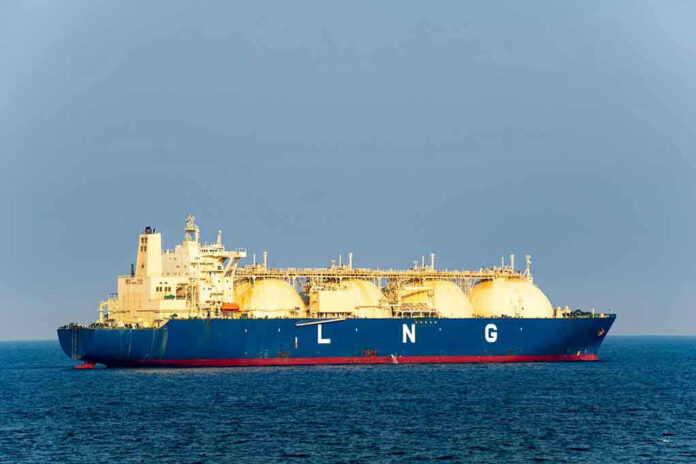
Russia just made an unprecedented diplomatic request asking the Trump administration to call off the pursuit of an oil tanker fleeing across the Atlantic toward Venezuela, marking a stunning escalation in the shadow fleet war that’s reshaping global energy enforcement.
Story Highlights
- Russia formally requested Trump administration halt pursuit of Venezuela-bound oil tanker in Atlantic Basin
- US has sanctioned 183+ vessels and seized multiple tankers as part of escalating shadow fleet crackdown
- Shadow fleet now comprises roughly 20% of global tanker capacity, handling sanctioned Russian, Venezuelan, and Iranian oil
- Trump administration intensified enforcement with naval pursuits and strikes on Venezuelan dock facilities
- Incident represents direct diplomatic intervention to protect vessels evading the $60 per barrel Russian oil price cap
The Shadow Fleet Revolution
The Russian shadow fleet emerged as Moscow’s primary weapon against Western sanctions following the 2022 Ukraine invasion. This sprawling network of older, often uninsured tankers with flags of convenience now handles approximately one-fifth of the global tanker fleet. These vessels transport Russian crude above the G7-imposed $60 per barrel price cap, generating crucial revenue for the Kremlin’s war machine while thumbing their nose at international enforcement.
Treasury Secretary Janet Yellen’s latest sanctions package targeted major Russian energy giants including Gazprom Neft and Surgutneftegas, along with 183 vessels operated through shadowy management companies like Fornax Ship Management and Stream Ship Management. The sanctions prohibit all US petroleum services to Russia effective February 27, 2025, representing the most comprehensive energy enforcement action to date.
Atlantic Basin Showdown
The current crisis centers on a specific tanker fleeing toward Venezuela that triggered Russia’s extraordinary diplomatic intervention. Trump’s enforcement strategy has moved beyond traditional sanctions to include active naval pursuits in international waters and strikes on Venezuelan dock facilities. The President personally claimed responsibility for targeting Venezuelan installations tied to sanctioned oil operations, marking a dramatic escalation from previous administrations’ multilateral approach.
This represents a fundamental shift in how America enforces energy sanctions. Rather than relying solely on financial penalties and diplomatic pressure, the Trump administration has deployed military assets to actively pursue violators across the Atlantic. The Russian request to halt this pursuit signals Moscow’s recognition that their shadow fleet operations now face unprecedented physical interdiction risks.
Economic Warfare at Sea
The shadow fleet’s expansion reflects the high stakes involved in evading sanctions. Russian oil revenues fund approximately 40% of the government’s budget, making these tanker operations essential for sustaining the war in Ukraine. Venezuela’s Maduro regime similarly depends on shadow fleet deliveries to circumvent US blockade efforts and maintain government funding through backdoor oil sales.
The enforcement escalation carries significant risks beyond geopolitical tensions. Shadow fleet vessels often operate with minimal insurance coverage and questionable safety standards. Recent Black Sea oil spills caused by shadow fleet tankers prompted environmental concerns and calls for expanded bans from Ukraine and Latvia. The pursuit of vessels across international waters raises additional questions about maritime law and potential accidents during high-seas interdictions.
Sources:
Treasury Department Press Release on Russian Energy Sanctions
Argus Media – US Sanctions More Oil Tankers Tied to Venezuela
Wikipedia – Russian Shadow Fleet
WMBD Radio – Russia Asks US to Stop Pursuit of Fleeing Oil Tanker
AOL – Treasury Targets Oil Traders and Tankers