

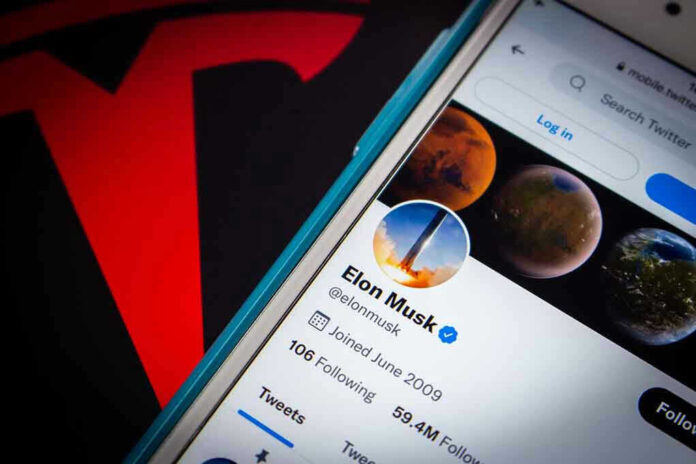
Elon Musk has abandoned his reported plans to challenge Donald Trump and the Republican establishment, opting instead to continue bankrolling GOP candidates in upcoming elections.
Story Snapshot
- Musk reverses course on rumored plans to disrupt Trump and Republican Party leadership
- Tesla CEO will resume funding GOP candidates for 2026 midterm elections
- Decision represents strategic retreat from potential intraparty warfare
- Move suggests Trump’s continued dominance over Republican donor networks
The Billionaire’s Strategic Retreat
The world’s richest man has decided discretion is the better part of valor when it comes to challenging the Trump political machine. Musk’s decision to pull back from any confrontational stance with Trump reveals the pragmatic calculations driving his political involvement. Rather than risk fragmenting conservative resources in costly primary battles, he’s chosen to focus his considerable financial firepower on winning general elections against Democrats.
This reversal highlights the delicate dance wealthy donors must perform in today’s Republican Party. Even someone with Musk’s massive platform and resources recognizes the futility of going head-to-head with Trump’s devoted base. The Tesla and SpaceX founder appears to have concluded that his money is better spent defeating Democrats than fighting fellow Republicans.
Trump’s Continued Gravitational Pull
The reported change in Musk’s approach demonstrates Trump’s enduring influence over the Republican donor class. Despite any personal disagreements or policy differences, major contributors continue gravitating toward Trump’s orbit rather than establishing competing power centers. This dynamic reflects Trump’s unique ability to mobilize grassroots support that traditional big-money politics cannot easily replicate or counter.
Musk’s decision also reveals the practical limitations facing even the most influential donors when confronting entrenched political movements. His initial consideration of challenging Trump likely stemmed from policy disagreements or strategic differences, but the reality of Trump’s electoral strength apparently convinced him to seek influence through collaboration rather than confrontation.
Implications for 2026 and Beyond
This development suggests the 2026 midterms will see unified Republican financial resources rather than the destructive donor wars that could have emerged from a Musk-Trump split. Conservative candidates should benefit from having both Trump’s political machinery and Musk’s technological expertise and financial backing working in concert rather than at cross-purposes.
The timing of this decision also indicates sophisticated political calculation on Musk’s part. Rather than wait until primary season to discover the costs of challenging Trump, he’s made an early strategic pivot that preserves his influence while avoiding unnecessary conflict. This approach allows him to maintain relevance in Republican circles while focusing on the broader goal of advancing conservative policies and candidates against Democratic opposition.
Sources:
Musk reverses course on rumored plans to disrupt Trump and Republican Party leadership