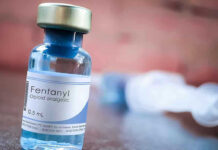


A middle schooler’s overdose in a Florida classroom exposes the deadly consequences of unsecured fentanyl at home, reigniting concerns about parental responsibility and the preventable tragedies claiming our children’s lives.
Story Snapshot
- Florida middle school student overdosed in class after taking fentanyl from father’s bathroom at home
- Parents arrested following incident highlighting critical failures in medication storage and parental oversight
- Teen fentanyl deaths now occur weekly at rates equivalent to losing a high school classroom every seven days
- Counterfeit pills from unsecured home sources increasingly drive adolescent overdoses, not street drugs
Florida Incident Exposes Home Storage Dangers
A Charlotte County middle school student overdosed in class after accessing fentanyl from their father’s bathroom at home, leading to the arrest of both parents. The incident underscores a disturbing trend where adolescents find deadly opioids not on street corners but in their own homes. Law enforcement charged the parents with child neglect after determining the father’s unsecured medication enabled the teen’s access. This case reflects broader failures in medication storage practices that experts identify as a primary gateway for adolescent fentanyl exposure, particularly when families fail to secure prescription medications or illicit substances brought into households.
National Crisis Claims Teen Lives Weekly
Approximately 22 high school-age adolescents died weekly from overdoses in 2022, with fentanyl involvement reaching 75 percent of these deaths. UCLA Health researchers documented 721 adolescent overdose deaths that year, though rates declined slightly to 441 deaths in 2024. The crisis disproportionately affects males and youth of color, with American Indian and Alaska Native teens experiencing death rates 1.82 times higher than white teens. Hotspot counties in Arizona, California, Colorado, and Washington report overdose rates double the national average. These statistics represent families destroyed and communities traumatized by a poison that infiltrated the drug supply post-2019, turning experimentation with what teens perceive as “safe” pills into fatal gambles.
Counterfeit Pills Fuel Adolescent Death Surge
Fentanyl-contaminated counterfeit prescription pills drove a 168 percent increase in synthetic opioid deaths among 15-to-24-year-olds from 2018 to 2022, even as overall illicit drug use among teens dropped from 21 percent to 8 percent over two decades. Joseph Friedman from UCLA emphasized that adolescents cannot distinguish fake pills from legitimate prescriptions, making every pill a potential death sentence. The shift from heroin to pills explains why only 0.3 percent of high school seniors reported heroin use in 2022 while 5 percent admitted nonmedical prescription pill use. This supply-side crisis, not increased drug-seeking behavior, transforms medicine cabinets into death traps when parents fail to recognize the counterfeit threat or secure medications properly.
Parents Bear Primary Responsibility for Prevention
Families serve as the first line of defense against adolescent fentanyl exposure, yet poor medication storage practices and lack of awareness create avoidable risks. Scott Hadland from Massachusetts General Hospital identified fentanyl overdoses as a leading cause of adolescent death and called for partnerships between clinicians and families to address home storage vulnerabilities. The Florida arrest demonstrates that legal consequences follow when parental negligence enables access to deadly substances. Simple interventions like locked medication cabinets, regular inventory checks, and honest conversations about counterfeit pill dangers could prevent tragedies. Schools have responded by distributing naloxone and implementing education programs during 2024-2025, but government programs cannot replace parental vigilance in protecting children from dangers within their own homes.
The fentanyl crisis demands accountability at every level, starting with parents who must recognize that unsecured medications represent life-threatening hazards. While the Biden administration’s open border policies flooded communities with Chinese-manufactured fentanyl precursors, individual families cannot wait for federal solutions to secure their homes. The DEA confirms fentanyl remains the leading killer of Americans aged 18 to 45, claiming approximately 199 lives daily in 2023. This administration inherited a catastrophic drug crisis from failed policies prioritizing compassion over consequences, and reversing these trends requires both securing borders and empowering families with education about home-based risks that claim innocent lives.
Sources:
About 22 high school-age adolescents died each week – UCLA Health
Majority of Youth Overdose Deaths 2018-2022 Were Driven by Fentanyl Alone – NYU Langone
How Schools Have Responded to the Youth Fentanyl Crisis – KFF
Adolescent Fentanyl Overdoses – National Institutes of Health
Teens, Drugs, and Overdose: Contrasting Pre-Pandemic and Current Trends – KFF
Drug Overdose Deaths Among Adolescents – CDC
DEA Administrator on Record Fentanyl Overdose Deaths – Get Smart About Drugs
Are Fentanyl Overdose Deaths Rising in the US? – USAFacts