

A sanctions “loophole” that let a Russian oil tanker reach Cuba is raising a hard question for Americans: who is actually steering U.S. policy when enforcement looks optional.
Story Snapshot
- A Russian oil tanker carrying what Moscow described as “humanitarian” fuel was tracked crossing the Atlantic to Cuba and later docked.
- Reporting indicated the Trump administration allowed the tanker to proceed, despite U.S. restrictions meant to choke off energy lifelines to the Cuban regime.
- U.S. officials then signaled they were moving quickly to close the sanctions gap that made the docking possible.
- The episode spotlights a recurring conservative concern: sanctions without consistent enforcement can look like empty signaling.
What the tanker mission revealed about sanctions enforcement
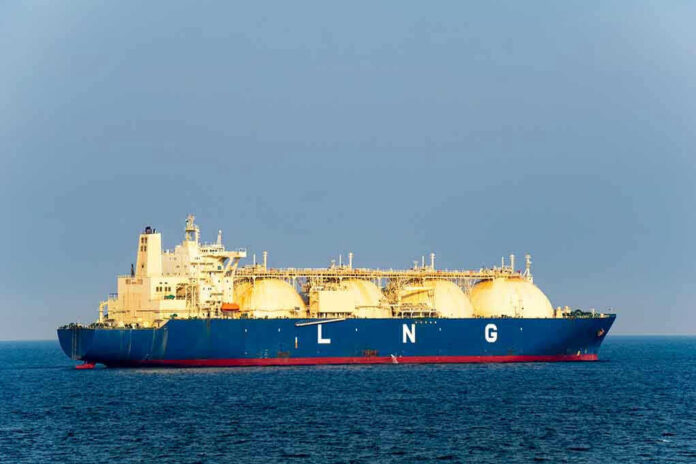
Tracking data and on-air analysis described a Russian tanker moving across the Atlantic toward Cuba as Russia’s energy minister confirmed the cargo as humanitarian fuel supplies. The segment framed the shipment as a direct challenge to U.S. pressure designed to limit Cuba’s ability to import energy. The most politically sensitive detail was the claim that U.S. policy effectively allowed the transit and docking due to a sanctions loophole.
U.S. restrictions have aimed to constrain Cuba’s access to oil from third countries, part of a broader strategy to weaken the Cuban government’s ability to endure shortages and unrest. That context matters because fuel is not a luxury in Cuba; it is a stabilizer for the regime when blackouts and economic breakdown drive public anger. When a sanctioned target gets energy anyway, the deterrent effect of sanctions becomes harder to sustain.
How a “loophole” undercuts leverage—and invites more challenges
Reporting described U.S. officials moving “very quickly” to close the loophole after the tanker docked, suggesting the administration saw a real vulnerability in how sanctions were written or enforced. The research summary did not provide the exact regulatory language or the specific agency action, which limits outside verification. Still, the sequence—docking first, closure second—captures why critics call loopholes self-inflicted wounds in foreign policy.
Sanctions work only when they are predictable enough that banks, insurers, shipping firms, and port authorities avoid the risk. A widely perceived exception, even a narrow one, can become a playbook for adversaries looking to test boundaries. In this case, the narrative presented Russia as using “humanitarian” framing to reduce blowback while still scoring a strategic win: supplying Cuba and signaling that U.S. pressure has gaps.
Why Cuba’s energy crisis keeps creating openings for adversaries
The research emphasized that Cuba has faced chronic energy blackouts, with U.S. restrictions and earlier disruptions to Venezuelan supply contributing to ongoing shortages. That reality creates incentives for Havana to accept help from any willing supplier and for U.S. rivals to turn energy into influence close to America’s shores. The report also referenced earlier episodes where vessels carrying oil to Cuba faced sanctions, showing the U.S. has used pressure before.
The political problem for Trump’s coalition: restraint vs. strength
Within conservative circles, the broader frustration today is not just about overseas entanglements—it is about consistency and credibility. Many voters supported a tougher posture toward adversaries and a crackdown on hostile regimes, while also demanding an end to open-ended interventions and costly escalation. A situation where an adversary appears to exploit U.S. rules without consequence can irritate both camps: hawks see weakness, while restraint-minded voters see needless brinkmanship without coherent execution.