
A Pennsylvania man’s home became a grotesque crime scene when authorities discovered over 100 human skulls and other remains, exposing a shocking grave-robbing operation that desecrated sacred burial grounds and violated the trust of families who donated their loved ones’ bodies to science.
Story Highlights
- Over 100 human skulls and body parts found displayed as décor in Pennsylvania man’s residence
- Suspect charged with grave desecration, corpse abuse, and receiving stolen property in multi-state trafficking ring
- Case connected to Harvard Medical School cadaver theft scandal involving donated bodies sold illegally
- Weak cemetery oversight and gaps in Pennsylvania law enabled systematic desecration of burial sites
Macabre Discovery Reveals Systematic Grave Robbing Operation
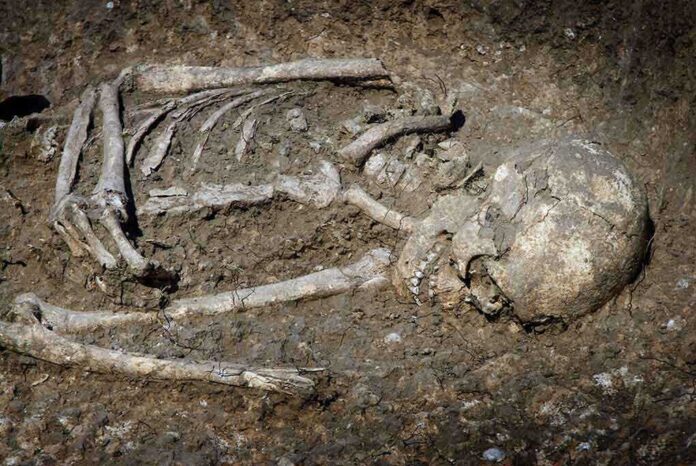
Law enforcement’s 2023 search of the Pennsylvania residence uncovered a disturbing collection of human remains that shocked even seasoned investigators. More than 100 skulls, along with spines, femurs, and preserved organs, were found throughout the home, some arranged as grotesque decorations. The suspect allegedly acquired these remains through two criminal channels: directly robbing graves from Pennsylvania cemeteries and purchasing stolen cadaver parts from co-conspirators connected to Harvard Medical School’s body donation program.
Criminal Charges Expose Interstate Body Parts Trafficking Network
Pennsylvania authorities charged the suspect with abuse of a corpse, institutional vandalism, and receiving stolen property under state law. These charges carry felony-level penalties, including significant prison time under Pennsylvania’s institutional vandalism statute, which treats cemetery desecration as a third-degree felony. Federal investigators have connected his activities to a broader multi-state trafficking conspiracy involving funeral homes, crematories, and Harvard Medical School personnel who allegedly stole donated remains and sold them through online marketplaces.
Legal Gaps Enable Cemetery Desecration and Institutional Theft
This case exposes critical weaknesses in Pennsylvania’s legal framework protecting human remains. While the state’s institutional vandalism and corpse abuse statutes provide some protection, a 2021 assessment found Pennsylvania law incomplete regarding historic and archaeological burial sites. Rural and abandoned cemeteries often lack adequate security and oversight, making them vulnerable to systematic theft. The fragmented regulatory approach allows criminals to exploit gaps between cemetery law and anatomical gift regulations, enabling prolonged criminal activity before detection.
The Harvard Medical School connection particularly undermines public trust in body donation programs. Families who donated loved ones’ bodies for scientific education never consented to having those remains sold as collectibles to private collectors. This violation represents both a breach of institutional responsibility and a fundamental assault on the dignity families expected their deceased relatives would receive.
Sources:
Pennsylvania Institutional Vandalism Statute
Pennsylvania Burial Grounds Law
Historic and Archaeological Human Remains Assessment