

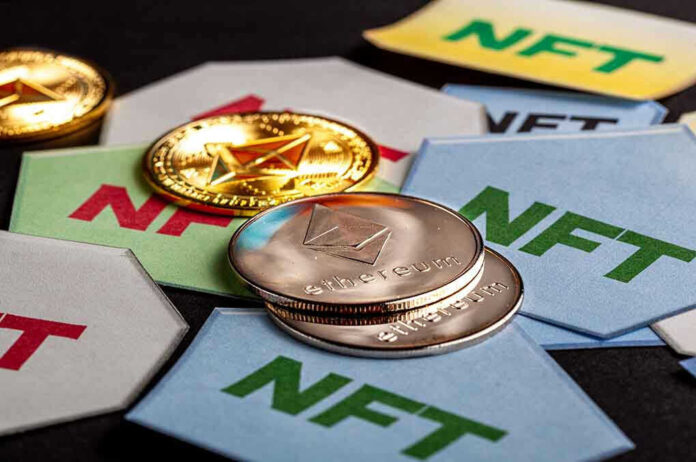
Wall Street’s newfound enthusiasm for cryptocurrency represents a seismic shift in the financial landscape.
Story Overview
- Institutional interest in crypto is driven by new investment products and regulatory clarity.
- Spot Bitcoin and Ethereum ETFs are now available, attracting traditional investors.
- The U.S. Genius Act introduces a legal framework for stablecoins.
- Technological advancements in blockchain make crypto more viable for mainstream finance.
Institutional Investment Products Gain Traction
Wall Street’s embrace of cryptocurrency has been nothing short of transformative, primarily due to the introduction of institutional investment products like spot Bitcoin and Ethereum ETFs. These financial instruments allow investors to gain exposure to crypto assets without the complexities of direct ownership. The approval of these ETFs marks a critical juncture, signaling a move towards mainstream acceptance of digital currencies within the traditional financial ecosystem.
With traditional barriers such as custody risks being mitigated, financial giants are increasingly vocal about the potential of cryptocurrencies. The launch of these products has sparked a surge in institutional interest, underscoring the demand for diversified investment opportunities in an era of low yields and economic uncertainty.
Regulatory Frameworks Bring Legitimacy
The passage of the U.S. Genius Act represents a pivotal moment in the regulatory landscape for cryptocurrencies. By providing a clear legal framework for stablecoins, the act paves the way for broader adoption and integration of digital assets in mainstream finance. This regulatory clarity not only reassures investors but also encourages banks and funds to explore crypto-based payment and settlement solutions with confidence.
Regulatory advancements have historically been a stumbling block for cryptocurrencies, often cited as a primary reason for institutional hesitance. However, the current regulatory environment is fostering innovation while maintaining necessary investor protections, driving a newfound legitimacy for the asset class.
Technological Innovations Enhance Scalability
Technological advancements in blockchain infrastructure, particularly Ethereum’s planned tenfold increase in throughput, address previous scalability concerns. By enhancing transaction speeds and reducing costs, these innovations make blockchain-based finance more appealing for large-scale financial operations.
The scalability improvements are not just technical upgrades; they are fundamental enablers for the broader adoption of blockchain technologies by traditional financial institutions. As these technological barriers are overcome, the potential for crypto to underpin new financial infrastructures becomes increasingly feasible.
Wall Street’s Shift: A New Era
The convergence of institutional product innovation, regulatory clarity, and technological scalability signals a new era for Wall Street’s relationship with cryptocurrency. This shift is not merely a passing trend but a profound transformation in how financial giants perceive and engage with digital assets.
The implications of this shift are far-reaching, with crypto poised to become a standard asset class within diversified portfolios. However, while opportunities abound, challenges such as market volatility and regulatory uncertainties persist. As Wall Street continues to navigate this evolving landscape, the dialogue surrounding cryptocurrency’s role in global finance will undoubtedly intensify.