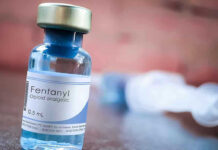


When porch pirates steal critical prescription medications instead of holiday packages, families face life-threatening medical emergencies that expose a dangerous gap in America’s healthcare delivery system.
Story Highlights
- Porch pirates steal 104 million packages annually, including life-saving medications mistaken for holiday gifts
- Utah family’s child nearly faced medical crisis when thieves stole life-saving medicine from their doorstep
- Insurance companies often refuse to replace stolen medications, forcing families to pay thousands out-of-pocket
- Police rarely investigate package thefts, treating medication theft as low-priority property crime despite health risks
Holiday Theft Puts Lives at Risk
A Utah family discovered the terrifying reality of modern package theft when criminals stole their child’s life-saving medication from their porch during holiday season. The thieves likely expected to find electronics or Christmas gifts but instead took medicine critical for a young patient’s survival. This incident highlights how opportunistic criminals targeting holiday packages can inadvertently create medical emergencies that threaten American families’ most vulnerable members.
Criminal justice experts report that porch piracy has exploded alongside e-commerce growth, with SafeWise estimating 104 million packages stolen nationwide in a single year. During November through January, package volumes surge as carriers prioritize speed over security, leaving boxes unattended to maintain delivery schedules. This creates prime hunting grounds for thieves who cannot distinguish between luxury items and essential medications that families depend on for survival.
Insurance System Abandons Victims
When criminals steal prescription medications, victims face a bureaucratic nightmare that can delay critical treatment for days or weeks. Insurance companies and pharmacy benefit managers often refuse to authorize replacement medications, citing quantity limits and prior authorization requirements that assume patients are seeking duplicate prescriptions. Unlike stolen consumer goods that can be easily replaced, medications require physician approval, insurance negotiations, and complex regulatory compliance that can stretch emergency situations into dangerous delays.
Low-income families bear the heaviest burden when forced to replace stolen medications out-of-pocket. Specialty drugs for cancer, transplant rejection, and rare diseases can cost thousands of dollars per shipment, creating impossible financial choices between medical care and basic necessities. The Gladstone, Missouri community recently rallied around a family whose medication was stolen, demonstrating how these crimes force neighbors to step in where insurance systems fail.
Law Enforcement Treats Health Crimes as Property Theft
Police departments across America treat stolen medications with the same low priority given to routine package theft, despite the life-threatening consequences for victims. Criminal justice professor Ben Stickle notes that porch piracy rarely results in police investigation or arrest, even when surveillance cameras capture clear evidence of the crime. Gladstone police reported 17 package theft cases in the previous year with minimal resolution, reflecting nationwide patterns that leave medical patients vulnerable to repeat victimization.
This enforcement gap creates a high-reward, low-risk environment that encourages criminals to target residential deliveries without consequence. While some states have enhanced penalties for package theft, few jurisdictions recognize the special danger posed by stealing medications versus consumer goods. The result is a system that allows opportunistic criminals to inadvertently threaten lives while facing minimal legal consequences for their actions against America’s most medically vulnerable citizens.
Sources:
Gladstone community responds after porch pirate steals medication from family
Porch pirates steal child’s life-saving medicine